Mental Clarity
s

s

I recently had a new patient who was coming in for chronic back pain. I was quite surprised when I evaluated her and noticed that she had really good posture: her shoulders and hips were level, her head was not jutting forward, there was no evidence of any weakness and she was pretty well balanced overall. She has a job that requires that she sits 8-12 hours per day. She sits with a back support. Yet she has daily lower back pain. I looked at her muscle lengths and she did indeed have tight back muscles. Still – why? There was no history of trauma or any other evidence of an inflammatory condition or problems with the kidneys. Then I asked her to take a deep breath. Her belly tightened, her shoulders rode up toward her ears and her ribcage only expanded to about 1 inch (1.5-2 inches is optimal). Now I saw her problem – her diaphragm.
Everyone knows that the diaphragm is a “breathing muscle”, but many do not know that the diaphragm is a postural muscle as well. In fact, the diaphragm actually attaches into the spine right where the low back begins. The “bellows” action of the diaphragm not only allows air to enter the lungs, it also massages the abdominal organs and aids with blood flow. It also helps with keeping the proper “tension” in the abdominal cavity. And importantly, the diaphragm is part of the body’s “core” which protects the lower back.
When I mention the “core” muscles, my patients automatically think they need to do more crunches. Crunches only train the outer abdominal muscles (and hip flexors if you do them wrong). If the outer abdominal muscles are too tight, it inhibits the deeper core muscles, so doing lots of crunches is actually counterproductive in core training. Really tight abdominal muscles will also restrict breathing weakening the diaphragm muscle which IS a core muscle.
When you breath, the belly and the lower ribcage should expand, the shoulders should be relaxed and the upper chest only move at the end of a deep inspiration. My patient had what I call a “stress breathing pattern” which places a lot of stress on the shoulders, neck and upper ribs. Also, with this type of breathing pattern, less oxygen is taken in and body becomes more acidic as carbon dioxide builds up. When the body is more acidic it becomes more inflamed and muscles become irritated. The most important thing I could do for my patient is to teach her how to breath properly.
Do yourself a favor and make sure that improper breathing is not causing extra tension and pain in the back. Put your hand on your breastbone and one just below your belly button. Take a deep breath. The lower hand should move first and the upper hand should barely move. The upper shoulders should not move at all. If you find you are using your shoulders to breath, then you are susceptible to neck, shoulder and back pain.
To correct this, think of your belly as a balloon you need to fill up and concentrate on not moving your chest or shoulders as you breathe. Do deep breathing exercises regularly.
As much as we love all things Fall, there are challenges we face every year that we don’t look forward to: colds and flu, dry skin, anxiety, allergies and the consequences of overindulging in rich foods. In anticipation of this, I went on an internet hunt for some nice herbal tea blends to help my patients navigate these challenges and reduce the number of drugstore visits.
Sipping tea falls under that category of “self care” we hear talked about so much. Many cultures make tea drinking a ritual and for good reason: slowing down to enjoy a hot cup of anything will be a great antidote to our frantic lifestyles. Suffer from these fall maladies? Be proactive and try some herbal tea blends.

Tea for Skin Health (from healingharvesthomestead.com)
Horsetail is beneficial for skin and nails due to its silica and rich mineral content. It also has antioxidant, anti-inflammatory and diuretic properties. Just blend these herbs together and simmer.
Ingredients
Elderberry Tea Blend for Immunity (from growforagecookferment.com)
Elderberry is my go-to herb to ward off colds or flu. I keep Elderberry syrup in my kitchen and take some if I feel run down or have a scratchy throat. I have had excellent success with this strategy. This would be a good tea to drink daily if you are prone to colds and flu. Just combine these herbs in a small jar, mix well and use 1 -2 Tbsp per 1 cup of water. Simmer 30 minutes and strain to drink.
Ingredients
• 4 tbsp dried elderberries
• 4 tbsp dried rose hips
• 4 tbsp echinacea root
• 4 tbsp astragalus
• 4 tbsp dried ginger
Tea Blend for Allergies (from remedygrove.com)
Nettles is an effective remedy for any airborne allergies. Let someone else harvest it for you though – it can cause a bad skin reaction if not handled properly when fresh. Mix equal parts in a dark, airtight container. Sip daily during allergy times- Spring or Fall.
Ingredients
• Dried Lavender flowers
• Fennel seeds
• Dried Lemongrass
• Dried Nettles
• Dried Peppermint or Spearmint leaves
• Dried Red Clover
.
Tea for Digestive Stress (from www.eatingwell.com)
Peppermint is well known to relax the gastrointestinal sphincters helping to alleviate gas and bloating which tend to happen when we over-indulge. Warning: peppermint may aggravate GERD symptoms in some people. This recipe makes one cup of tea. Steep for 15 minutes and strain as needed.
Ingredients
• 1 tsp dried peppermint
• ½ tsp fennel seeds
• ½ tsp coriander seeds
Tea for Anxiety ( from scratchmommy.com)
Autumn is a time for new things – new schedules, new schools, new assignments, the anticipation of holiday responsibilities, etc. This can create extra anxiety for a lot of people. Also, there are highly sensitive people who do not handle seasonal shifts well and need extra time for their nervous systems to adjust. Lemon balm is a calming herb and has been used for centuries to reduce stress and anxiety.
Ingredients
• 1 tsp Dried Lemon Balm Leaves, crushed (organic lemon balm leaves)
• 1 tsp Dried Oat Straw Tops (organic oat straw tops)
• 8 oz Boiling Water
Any of the above ingredients are readily available in Health Food stores or online. Just be sure to buy organic and from a reputable source. Mountain Rose Herbs is a good source. The addition of natural sweeteners such as honey or maple syrup to any of these teas would be desirable to people who like their tea a little sweeter.
Not that long ago I reached an age that many people would consider old. Soon I started using my age as an excuse for the subtle decrease in energy levels I felt. For example, after a full day’s work, I would be reluctant to perform any routine chores like laundry. Instead I preferred to do something that was more sedentary, like reading. I told myself it was my age slowing me down. I was wrong.
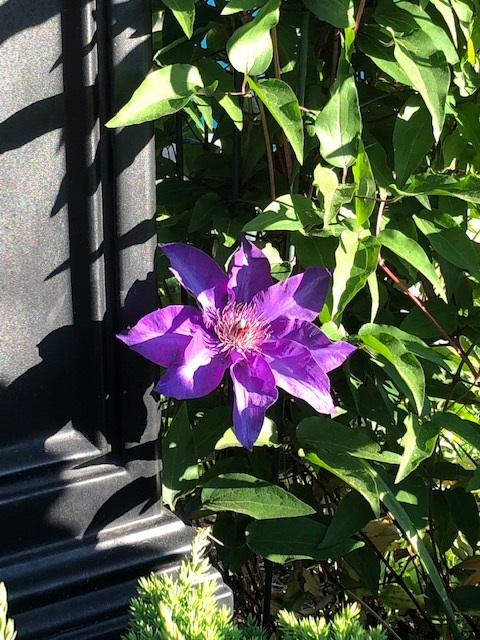
I recently moved into a new home that has some wonderful little gardens. I love nature, so I am happily planting annuals, weeding and generally spending more time outside with my plants. In just a few short weeks I noticed a definite increase in my energy levels and sense of well-being. Since I haven’t changed any other aspect of my lifestyle, I realized that this newfound burst of energy is related to the increase in my exposure to natural light and the extra gardening. This is not surprising as there are multiple health benefits associated with gardening.
Almost every patient I encounter in my practice has “more energy” added to their wish list of benefits they would like to receive from treatment. Gardening is a do-it-yourself energy treatment that is easy and inexpensive. You don’t have to go out and buy a farm, there are simple ways to introduce a little gardening into your life.
Go for a Walk
Just being outside in the sunlight is a mood enhancer. It reduces stress hormones and increases vitamin D levels. Admiring other people’s gardens is a gentle way to get a little exercise in as well. I know several people who love visiting local gardens, like Longwood Gardens. Another easy way to benefit from gardening is to take advantage of the many pick-your-own farms in the area. Last year I picked a couple of buckets of organic strawberries and dried them. They lasted all year. It was time well spent.
Grow herbs on your kitchen counter
Installing a simple grow light under your kitchen counter and placing your favorite herbs under it is another easy way of gardening. Having the herbs right at hand will encourage you to use them more while cooking. Herbs have many health benefits. I have Basil growing under my kitchen counter which is an anti-inflammatory herb and has cardiovascular benefits. Who doesn’t love pesto?
Tomatoes on the Patio
Container gardens are the best way to go in my opinion. You spend way less time weeding, only need a small space and can completely control the environment your plants grow in. People of all ages and abilities can grow a tomato in a container. Lots of food grows well in containers. This year I am growing cherry tomatoes, spinach, arugula, beans, peppers, eggplants and cabbage on my deck. It is such a joy to be able to walk out on your patio and pick the ingredients for a fresh salad. Studies show that gardeners tend to eat more fruits and vegetables and everyone knows that is a good thing! And you know what they say- vegetable gardening is like printing your own money.
Open your windows and put in a window box
Tending plants increases your exposure to the color green. According to a 2016 study, people who live in or near a green space have lower incidence of mental illness and higher life expectancy than those living away from green spaces. Tending a window- sill garden will give you a dose of green every time you water it. Growing indoor plants counts as gardening too.
Gardens don’t have to be big plots.
According to the square foot gardening experts, just 16 square feet (4×4 feet) of garden per person is all you need to produce a large variety of fresh seasonal produce. Weeding and watering even a small garden will improve anyone’s flexibility and strength. In addition to benefits for the body, gardening also benefits the mind. Studies have shown that gardening reduces one’s risk of dementia by as much as 36%.
Weed by Hand
Walking around your yard squirting weed killer on your weeds may save you time, but it does nothing to enhance your health (not to mention the health of the Environment). Throw out the poisons and get down and pull your weeds by hand. Getting yourself exposed to dirt is good for you. It helps repopulate the beneficial micro-organisms that live in our body depleted by our high stress-bad diet-antimicrobial laden lifestyles. A number of studies from around the world are proving that exposure to bacteria found in soil is beneficial to our health. Many experts are recommending early exposure to a natural environment is essential in the development of a healthy immune system for children.
Want more energy? Get out and do some gardening.
Cold and flu season is upon us and now is the time to develop strategies for staying well. According to Chinese medicine, illnesses with fever, chills and muscle aches are said to be caused by wind. To prevent these illnesses patients are advised to protect their body against invasion of wind by making sure their neck is covered. This is because in Chinese medicine, it is believed that illnesses enter the body at the back of the neck, so protecting the neck from wind is essential to prevent illness. I believe that Chinese medical practitioners over the centuries noticed increased swelling and heat in the neck during viral and bacterial illness. This would be from increased activity in the many lymph glands clustered in our throat and along our neck muscles. These lymph glands are the first line of our immune defense against colds and flu, so it stands to reason that they thought the neck was where illness “entered” the body. This is why acupuncturists advise wearing scarves and protecting the neck as soon as the weather starts to get cool.
Wearing scarves to ward off colds is not just a Chinese tradition, it is also used in Auyrvedic medicine and many Germanic countries. In some countries, wearing a scarf around the neck inside is used to treat a sore throat. It is well known that viruses like a cooler environment, so keeping your throat (and nose) warm will help you ward off a cold and there is some research that supports this.
At this time of year, the recommendation to get a flu shot is everywhere. Yet many people do not realize that the flu shot is not all that effective. One study this year predicts that the flu shot effectiveness will only be about 20%. For some strains it has only been 17%. Also, recent studies have discovered that the shot becomes less effective over a short period of time.
So, getting the flu shot but not paying attention to other strategies for preventing cold and flu doesn’t really make sense. Making sure you are eating right, getting enough sleep and fluids and watching your vitamin D intake are all vitally important for prevention. Are you prone to colds and flu? Perhaps you should buy some turtlenecks.
Recent Comments